

Starting counselling
Your First Counselling Session: What to Expect
You do not have to have the right words. You can begin with where you are.
RC Psychotherapy
Gorey · Phibsborough · Online
50-minute individual sessions

A first counselling session is a conversation about what has brought you to therapy, what you would like support with and whether the therapist’s approach suits you. You do not need a diagnosis, a prepared speech or your whole life story. At RC Psychotherapy, individual sessions with Rosemary Chaney last 50 minutes and cost €75 in Gorey or online, or €85 in Phibsborough, Dublin 7.
This guide is about beginning individual counselling with Rosemary. For a joint appointment, see couples and relationship counselling.
- You can start with one concern; you do not have to explain everything at once.
- Individual sessions last 50 minutes: €75 in Gorey or online, €85 in Dublin.
- Rosemary works with adults aged 18 and over; no GP referral is required.
- Confidentiality, its limits and the practical arrangements can be discussed before you share sensitive details.
Is this the right starting point for you?
This guide is for adults considering private individual counselling in Ireland. It is not a crisis service, medical assessment or advice about changing medication.
This may fit if
- You are aged 18 or over.
- You are seeking individual talking therapy, not emergency care.
- You can attend in Gorey or Phibsborough, or join online from Ireland.
- You can meet privately and consider the published session fee.
Choose another service if
- You are under 18 and need an adolescent-specific service.
- You need immediate help for an emergency or immediate danger.
- You need a psychiatric diagnosis, medication prescription or a promised recovery timeline.
For under-18s or an assessment, ask your GP about an appropriate service. For immediate danger, call 112 or 999 or attend an emergency department. For someone to talk to, Samaritans is available on 116 123.
01 /
What happens in your first counselling session?
Your first session gives you and Rosemary time to begin understanding what you need. Rosemary listens, asks questions and explains how she works. You can ask about confidentiality, fees and the next step before deciding whether further sessions feel appropriate.
Counselling is a talking therapy: a space to explore concerns with a trained professional. The HSE describes therapy as working together to identify needs and goals, rather than the therapist deciding what is right for you. Your conversation might begin with what has been difficult recently, how it affects daily life and what you hope could change.
Rosemary Chaney is an IACP-accredited counsellor and psychotherapist, accredited since 2005. Her approach is humanistic and integrative, drawing on different therapeutic approaches according to the work. A first appointment is not a promise of an immediate solution or a requirement to begin a particular trauma technique.
The visual below describes possible stages of the conversation, not a fixed timetable. Each individual appointment is 50 minutes; the time spent on each topic is agreed in the session.
Further reading: HSE guidance on what to expect from talk therapy.
01 Begin where you are
Share what brought you here. One concern is enough to begin.
02 Understand the work
Discuss your goals, Rosemary’s approach, confidentiality and practical questions.
03 Agree a next step
Ask questions and discuss whether another appointment would be useful.
| Information | Value | Source |
|---|---|---|
| Individual appointment | 50 minutes | Practice fee list |
| Conversation stages | 3 illustrative stages; no fixed allocation | This editorial guide |
02 /
What can you say when you do not know where to start?
You can tell Rosemary that you are unsure how to begin. One example from the past week, a feeling that keeps returning or a difficulty in daily life is enough to open a conversation. Silence, uncertainty or becoming upset does not mean you are doing counselling wrong.
You might start with: I have been feeling overwhelmed and I am not sure why. Or: Something happened recently and I keep thinking about it. These are optional conversation starters, not a script you must follow.
If talking about a particular event feels too much, say that. You can describe its effect on sleep, relationships or concentration without giving every detail immediately. Ask to slow down or clarify a question whenever you need to.
You do not need to be in crisis or have a diagnosed mental health condition to seek psychotherapy. The Irish Council for Psychotherapy explains that people seek help for a range of concerns, including relationships and their sense of wellbeing.
One concern is enough to start a conversation.
General context: Irish Council for Psychotherapy questions and answers.
03 /
How can you prepare without overthinking it?
Preparation can be simple: confirm your appointment details, choose one thing you would like help with and note any question you want to ask. For an online session, find a private space and check your connection. The checklist below is optional and stays only on this page.
You do not need to write a detailed personal history. If notes help, bring a few words rather than a full account. For in-person appointments, check the correct practice address; for online appointments, consider whether others could overhear you.
The checklist does not collect or save personal information. Nothing is sent to Rosemary when you tick a box, and it resets when you leave or refresh the page.
Before your appointment
04 /
Where can you meet Rosemary, and what does it cost?
Individual counselling costs €75 for 50 minutes at the Gorey practice or online across Ireland, and €85 for 50 minutes in Phibsborough, Dublin 7. The first individual session has the same published fee. Choose the setting where you can attend and speak privately.
The fees below are the practice’s published session prices, checked on 19 October 2026. This guide concerns individual counselling, not a psychiatric assessment or an under-18s service. Couples counselling is a separate service: €100 for 60 minutes in Gorey or Dublin.
| Setting | Fee / length | What it means for you |
|---|---|---|
| GoreyBodhi, 14 Main Street, Gorey, Co. Wexford, Y25 E8N5 | €75 50 minutes | Attend the Gorey practice room in County Wexford. |
| Phibsborough24 O'Connell Avenue, off Berkeley Road, Phibsborough, Dublin 7, D07 XV57 | €85 50 minutes | Attend the Phibsborough practice room in Dublin 7. |
| OnlineSecure online sessions across Ireland | €75 50 minutes | Use a private space and a stable internet connection. |
Source: published session fees and payment options, checked 19 October 2026. For the local room, see counselling in Gorey; for video appointments, see online therapy across Ireland.
05 /
What is useful to ask your counsellor?
Ask about anything that affects whether you can begin safely and practically: confidentiality, the therapist’s approach, the fee, cancellations and how ongoing sessions are agreed. The HSE recommends discussing costs and how many sessions may be needed when choosing private therapy.
Confidentiality means information is treated privately, subject to ethical and legal limits. Those limits matter: do not assume therapy is confidential without exception. Read the practice’s confidentiality policy and ask Rosemary to explain what would happen if a safety or legal concern arose.
Consent means agreeing to the work with an understanding of what is involved. A therapeutic approach is the way a counsellor works with you. An integrative approach draws on more than one model. You can ask how any proposed approach relates to your goals.
- How will we decide what to work on?
- What are the limits of confidentiality?
- How would we decide whether to meet again?
- What happens if I need to cancel or change an appointment?
See the practice’s confidentiality policy and HSE guidance on choosing private therapy.
06 /
What can you do after your first session?
Give yourself time to notice how the conversation felt and whether you understood the practical arrangements. There is no single correct reaction: you may feel relieved, tired, uncertain or much the same. Raise questions with Rosemary rather than judging the whole process by one feeling.
You could note whether you felt listened to, whether you could ask questions and whether the proposed next step made sense. You do not need to book a course of sessions because you attended once. The number and rhythm of further appointments are discussed together.
If you decide not to continue, you can ask about another option. If you have already booked another appointment, the practice cancellation policy still applies. A first session cannot guarantee a diagnosis, recovery timeline or particular result.
More questions before you begin
You can ask questions before booking. These answers explain the practice’s arrangements and common first-session concerns without promising a particular outcome.
Can I expect advice in my first counselling session?
Counselling is not a session of instructions about how to live your life. Rosemary’s published approach emphasises listening, exploring feelings and helping you make your own decisions. You can ask how the work might help with a particular concern and whether practical strategies are appropriate. Discuss expectations together rather than assuming every therapist works in the same way.
Do I need to prepare a list of everything that has happened?
No. A detailed life history is not a requirement for beginning a conversation. You can bring short notes if they help, or begin with what is affecting you now. If a subject feels difficult to discuss, tell Rosemary. The optional preparation checklist in this guide can help you remember practical details without turning the session into a presentation.
What if I cry, go quiet or cannot find the right words?
You can let Rosemary know what is happening, even if that means saying you cannot find the words. Ask for time, a pause or a simpler question. You do not need to present your feelings neatly. If you are worried about becoming overwhelmed, mention that before moving into sensitive details so the pace can be discussed together.
Can I book without a GP referral?
Yes. RC Psychotherapy accepts direct enquiries and bookings from adults aged 18 and over. You do not need a GP referral or a diagnosis to get in touch. Use the booking page to choose a service and available appointment, or ask Rosemary a question first through the contact page, phone or practice email.
Is the first appointment free?
No. The published individual fee is €75 for 50 minutes in Gorey or online, or €85 for 50 minutes in Phibsborough, Dublin 7. This guide does not advertise a free introductory call or trial session. If cost is a barrier, ask Rosemary about the options before booking, or ask your GP about HSE counselling services.
Does booking once commit me to ongoing counselling?
No. The practice’s published information says the pace and continuation of counselling are agreed together. You can discuss whether another session would be useful after your first conversation. An appointment you book is still subject to the session fee and cancellation policy: 48 hours’ notice in person, or 24 hours online, unless circumstances are exceptional.
Still have a question? Call 087 458 0150 or email Info@RCpsychotherapy.ie.
Sources and further reading
Irish sources for general guidance, checked 19 October 2026. Practice-specific fees, qualifications and arrangements come from the linked RC Psychotherapy pages; source publication dates are not assumed.
- What to expect from talk therapy
HSE — How therapy works, goals and the therapist’s role.
- Choosing private therapy
HSE — Questions about costs, sessions and choosing a therapist.
- Psychotherapy frequently asked questions
Irish Council for Psychotherapy — Seeking psychotherapy without a diagnosis or crisis.
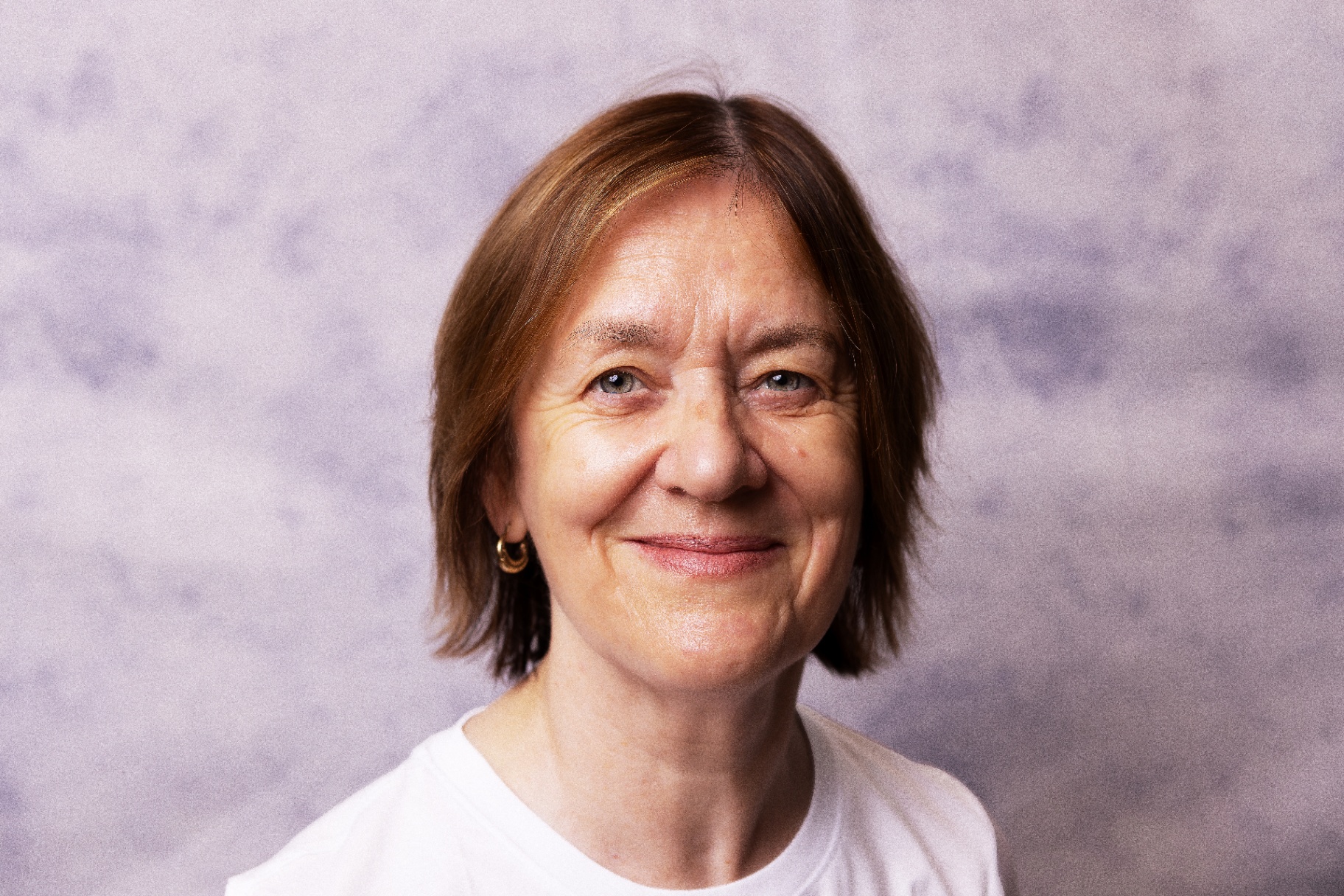
About the practitioner
Rosemary Chaney is an IACP-accredited counsellor and psychotherapist, accredited since 2005, with an MA in Humanistic & Integrative Psychotherapy. She sees adults in Gorey, Phibsborough and online.
Rosemary’s background and approachUpdated 19 October 2026 · Prepared by Digital Bridge for RC Psychotherapy. Prepared from published practice information and Irish sources. Clinical review by Rosemary Chaney is pending.
A next step, when you are ready
You can ask a question before making a paid booking. Online booking confirms one appointment, not a course of counselling.
- Choose a service, location and available appointment.
- Provide your name, email and phone number; additional background questions are optional.
- Review the session details and complete card payment to confirm an online booking.
The booking page holds the slot for 30 minutes while you pay. It is confirmed when payment succeeds, with an email containing appointment details.
The practice also accepts card, bank transfer or cash at an in-person session. Contact Rosemary to arrange this rather than assuming an unpaid online booking is confirmed.
Give 48 hours’ notice in person or 24 hours online. Later cancellations are charged in full unless circumstances are exceptional.
An enquiry is not a confirmed appointment. The practice says Rosemary usually replies within one working day; this is not a guaranteed response time or an emergency channel.
Not an emergency service. For immediate danger call 112 or 999. Samaritans: 116 123.